They Abandoned Their Left-Handed Daughter—Then Returned Eighteen Years Later Demanding Her Body Save Their Favorite Child
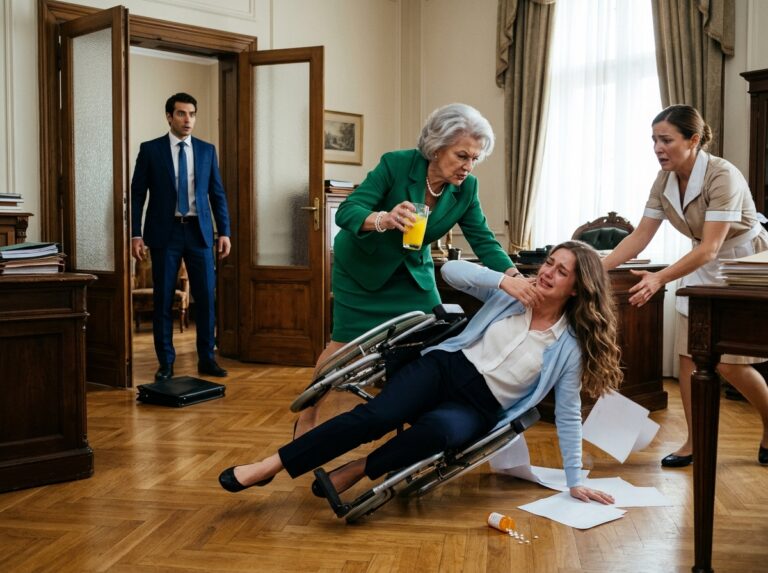
My parents always branded me as a “stupid child” because I was left-handed.
They yelled, beat me, and threatened me until I was forced to use my right hand.
When they finally had a right-handed daughter, they abandoned me—a 10-year-old girl.
Years passed.
I survived, rebuilt my life, and thought that chapter was over.
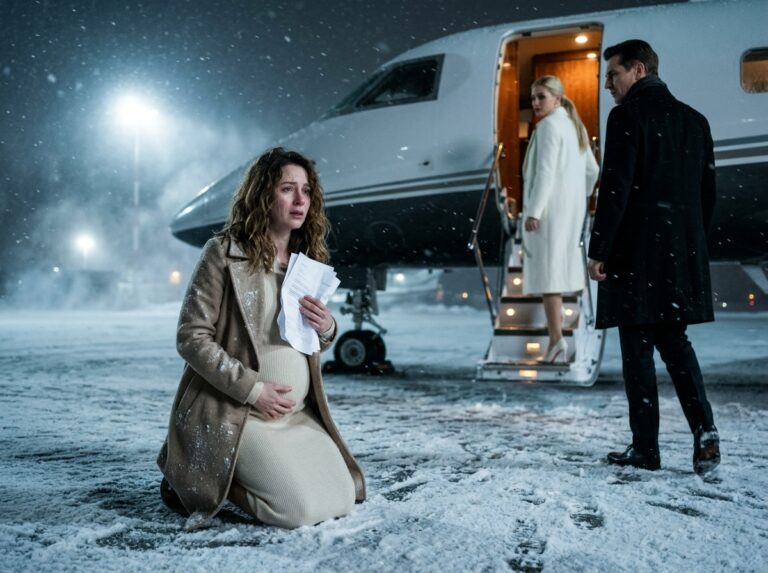
But when my sister turned eighteen, they shamelessly showed up at my front door.
What happened next shattered me completely.
To the world, I am Dr. Maya Sterling, Chief of Thoracic Surgery, the woman with the “miracle hands.”
But to Silas and Elena Vance—my biological parents—I was never a doctor.
I was a defect.
The memory hit me sharp and unbidden:
I was ten years old when they left me on the steps of an orphanage with nothing but a small suitcase, simply because I was left-handed.
“We cannot foster a spirit so fundamentally flawed,” my father had said coldly as he abandoned me.
“We deserve a masterpiece.”
Eighteen years later, I had built a life of steel and stone.
No family.
Just the work.
But then, the doors to my office opened.
There they sat.
Aged, but their arrogance was perfectly preserved.
And between them sat a girl—Bella.
She was beautiful, pale, with her “perfect” right hand resting elegantly in her lap.
She was the “masterpiece” they had traded me for.
“Maya,” my mother said, her voice like silk over a blade.
“You’ve done well for yourself, considering your… limitations.”
“You have five minutes,” I said, my voice cold enough to frost the glass.
“And then I’m calling security.”
“Don’t be dramatic,” my father barked.
“We came because your sister, Bella, is dying.
Her kidneys are failing.
And you are the only one who can save her.”
I looked at Bella.
She was trembling, looking less like a prodigy and more like a ghost.
“I am not her sister,” I replied.
“I am a stranger you threw away eighteen years ago.”
“You owe us,” my father stepped forward, his face reddening.
“We gave you life.
This is your chance to redeem yourself.
To finally be useful to this family.”
“Get out,” I whispered, gripping the edge of my desk.
My mother smiled—a slow, predatory expression.
She reached into her bag and pulled out a yellowed, tattered document.
“Technically,” she said, “we never officially finalized the adoption termination.
We simply ‘relinquished’ you to the orphanage’s care.
Legally, you are still a ward of the Vance family.”
She placed the document on my desk.
“We have filed an emergency petition for medical intervention.
We can tie you up in court for years, freeze your medical license, and ruin your reputation.
Or… you can walk into that operating room tomorrow and use that ‘sinister’ left hand to save your sister.”
I froze.
They didn’t want forgiveness.
They didn’t want a daughter.
They had kept me in a legal cabinet for eighteen years, a “break glass in case of emergency” backup plan.
For several seconds, the only sound in my office was the faint hum of the ventilation system.
My left hand was still resting on the edge of the desk.
Elena looked at it.
Not at my face.
Not at the hospital identification badge clipped to my coat.
Not at the framed photograph behind me of the surgical team after our first successful ex vivo lung reconstruction.
My hand.
Even after eighteen years, that was all she saw.
Bella saw it too.
But her expression was different.
She looked horrified.
“Mom,” she whispered.
Elena did not turn.
Silas tapped one finger against the yellowed document.
“Tomorrow morning,” he said. “Seven o’clock. Bella has already been admitted.”
Something inside me went very still.
Not calm.
Still.
The kind of stillness that came over an operating room when a monitor changed tone and every person understood that the next thirty seconds mattered.
I looked down at the document.
Then I reached for it.
With my left hand.
My father’s mouth tightened automatically.
That tiny reaction nearly broke me more than his threat had.
Eighteen years.
He had abandoned a ten-year-old child.
And the sight of that child’s left hand still offended him.
I lifted the paper.
“Who told you this could freeze my medical license?”
Silas blinked.
“What?”
“You said you could freeze my license. Who told you that?”
His confidence returned.
“Our attorney.”
“Name.”
“That’s none of your concern.”
“It became my concern when you walked into my hospital and threatened my career.”
Elena gave a soft, impatient sigh.
“Maya, stop performing. Bella doesn’t have time for this.”
Bella flinched.
I saw it.
Not because Elena had raised her voice.
She hadn’t.
It was the flinch of someone who knew that particular tone.
The controlled disappointment.
The warning hidden inside politeness.
I knew that tone too.
My eyes moved to Bella’s right hand.
Her fingers were clenched so tightly that her nails had gone white.
“Did you ask them to come here?” I asked.
Bella’s head jerked up.
Silas answered for her.
“Of course she did.”
I kept looking at Bella.
“Did you?”
Her lips parted.
“Bella,” Elena said.
One word.
Softly.
Bella looked down.
“No.”
The room changed.
Silas turned toward her.
“What did you say?”
Bella swallowed.
“I said no.”
Elena’s smile vanished.
“Bella, you’re frightened and sick. You don’t understand what you’re saying.”
“I understand.”
Her voice was barely audible.
But it was hers.
“I told you I didn’t want to come.”
Silas stepped toward her.
I moved before I thought.
One moment I was behind my desk.
The next, I was standing between them.
My body remembered him before my mind did.
The raised hand.
The belt buckle.
The ruler striking my knuckles because I had picked up a pencil “wrong.”
My heart slammed against my ribs.
But I didn’t move away.
Silas stopped.
For the first time since entering my office, he looked uncertain.
I pressed the call button beneath my desk.
“Security is coming.”
Elena stood.
“You are making an enormous mistake.”
“No,” I said.
My voice trembled once.
Then steadied.
“I’m finally old enough to recognize one.”
Two hospital security officers arrived less than a minute later.
Silas protested immediately.
He demanded the hospital administrator.
He demanded legal counsel.
He demanded that someone explain to me who my parents were.
That last sentence almost made me laugh.
Instead, I watched them escorted through the doorway.
Elena turned back once.
“You will regret humiliating us in front of your sister.”
Bella was still sitting in the chair.
Elena stopped.
“Bella.”
Bella didn’t move.
“Bella, come.”
Nothing.
Silas stared at her.
“Now.”
Bella’s shoulders curled inward.
I knew that posture.
I had worn it for ten years.
“She is an adult patient,” I said. “She decides who stays with her.”
Elena’s face lost all color.
Bella slowly raised her eyes.
“I want to stay.”
The security officers escorted Silas and Elena away.
The doors closed.
And suddenly there were only two daughters left in the room.
Neither of us knew what to do with the other.
Bella began crying without making a sound.
I remained standing because sitting beside her felt too intimate and standing across from her felt cruel.
Finally, she whispered, “I’m sorry.”
I stared at her.
“For what?”
“For being born.”
The words hit somewhere beneath bone.
I turned away.
Outside the windows, evening rain had begun streaking the city into blurred silver lines.
“Don’t ever apologize for that.”
“They told me you hated me.”
“I didn’t know you.”
“They said you were unstable.”
I closed my eyes.
“They said you ran away because you were jealous that they finally had a normal daughter.”
My fingers curled against the windowsill.
Behind me, Bella’s voice cracked.
“I believed them.”
That hurt.
But she was eighteen.
And I had learned long ago what children believe when the people controlling their entire world repeat the same story often enough.
“What happened to your kidneys?”
She wiped her cheeks.
“They don’t know exactly. The doctors think it’s genetic. I’ve been getting worse for almost two years.”
“Are you on the transplant list?”
She nodded.
“Then why me?”
Her eyes dropped.
“They had us tested.”
“Us?”
She hesitated.
Then reached into the pocket of her coat and took out several folded pages.
“I found these three weeks ago.”
She handed them to me.
They were laboratory reports.
Old ones.
Some more than a decade old.
My name appeared on the first page.
Maya Vance.
Age sixteen.
I stopped breathing.
I had never consented to genetic testing at sixteen.
I had been living in foster care then.
I turned the page.
Blood type.
Tissue markers.
HLA typing.
Another page dated when I was nineteen.
Another when I was twenty-four.
My vision narrowed.
“They’ve been testing me.”
Bella nodded shakily.
“I think so.”
“How?”
“I don’t know.”
Then she whispered, “But I know where they got some of it.”
I looked at her.
“Mom kept a box.”
“What box?”
“Your box.”
The words made no sense.
Bella rubbed her palms against her knees.
“It was locked in Dad’s study. I wasn’t allowed to touch it. A few months ago I heard them arguing after my nephrologist said I might need a transplant. Dad said, ‘We didn’t keep track of her for nothing.'”
The room seemed to tilt.
Bella continued.
“There were copies of your school medical records. Foster-care placements. College enrollment. Your residency application. Newspaper articles about you. Photos.”
“Photos?”
“Of you.”
I couldn’t speak.
“Graduation. Outside the hospital. At some medical award dinner.”
My stomach turned.
They hadn’t simply abandoned me.
They had watched.
From a distance.
For eighteen years.
Not because they missed me.
Not because guilt had followed them.
Because I might someday be useful.
Bella looked toward the door.
“There’s more.”
I waited.
She whispered, “They tested me when I was six.”
“For kidney disease?”
“No.”
Her eyes filled again.
“For compatibility with you.”
The air left my lungs.
“What?”
“I found a letter from a private genetics clinic. Dad asked them to compare my tissue profile with yours.”
“Why?”
“I don’t know.”
A knock sounded at the door.
Dr. Aaron Patel, the hospital’s transplant director, stood outside with our general counsel, Rebecca Shaw.
I had known Aaron for eleven years.
Rebecca for six.
Neither looked casual.
“Maya,” Rebecca said, “we need to talk.”
I looked at Bella.
“Can she stay?”
Rebecca glanced at her.
“If Ms. Vance wants to.”
Bella nodded.
Rebecca closed the door.
She placed a slim folder on my desk.
“Security notified administration because Mr. Vance threatened litigation in the lobby. We checked the emergency petition.”
“And?”
“There is no emergency petition.”
Silence.
I looked at her.
“None?”
“Nothing has been filed.”
Bella’s face went white.
Rebecca continued.
“The document they showed you is also not what Mrs. Vance represented it to be.”
She picked up the yellowed paper.
“It’s a voluntary placement agreement from the county child-welfare system. It does not make you their ward today. It doesn’t give them medical authority over you. And no court can order a competent adult to donate an organ simply because she’s biologically related to the recipient.”
I sat down.
My knees had suddenly stopped cooperating.
“They lied.”
“Yes.”
“They threatened my license with a document they knew didn’t mean what they said it meant.”
Rebecca’s expression hardened.
“That appears to be what happened.”
Bella covered her mouth.
Aaron remained near the door.
There was something in his face I couldn’t read.
“Aaron?”
He exhaled.
“There is another problem.”
He walked to the desk.
“Bella’s parents contacted the transplant service before coming to you.”
Bella looked at him.
“When?”
“This morning.”
Aaron placed a printed note beside Rebecca’s folder.
“They told our coordinator that Dr. Maya Sterling had already agreed to be evaluated as a directed living donor.”
I stared at him.
“They used my name?”
“They represented that you had verbally consented.”
My heartbeat became loud in my ears.
Aaron continued carefully.
“Our coordinator knew you’re chief of thoracic surgery and found it unusual that you hadn’t contacted the program yourself. She flagged it.”
Rebecca said, “That’s why we were already reviewing the matter when security called.”
I looked at Bella.
She looked as shocked as I felt.
Then Aaron said the sentence that changed everything.
“Maya, you are not Bella’s only possible donor.”
Silas had said I was.
Elena had said I was.
Bella slowly lowered her hands.
“What do you mean?”
Aaron turned toward her.
“Your father is medically compatible enough to proceed to the next stage of evaluation.”
Bella stared at him.
I felt something cold move through me.
“Silas?”
Aaron nodded.
“He was screened six weeks ago.”
Bella stood so abruptly that the chair scraped backward.
“No.”
Aaron’s expression softened.
“I’m sorry.”
“No. He told me he wasn’t compatible.”
No one answered.
Bella’s breathing became shallow.
“He told me neither of them matched.”
Aaron looked toward Rebecca before continuing.
“The preliminary screening shows your father could potentially be considered. That doesn’t mean he would ultimately be approved. Living donation requires extensive medical and psychological evaluation. But the claim that Maya is your only possible related donor is false.”
Bella pressed both hands against her mouth.
And then the hidden truth landed.
Not on me.
On her.
“They weren’t trying to save me,” she whispered.
“That’s not something I can determine,” Aaron said gently.
Bella shook her head.
“They were trying to make her do it so he wouldn’t have to.”
Her knees buckled.
I caught her.
With my left hand.
Her weight folded against me.
For one disorienting second, I was holding the child my parents had replaced me with.
Except she wasn’t the child from my nightmares.
She was an eighteen-year-old girl whose parents had apparently decided that one daughter’s body was more expendable than the other’s father’s.
Bella gripped my sleeve.
“I’m sorry.”
“Stop saying that.”
“I didn’t know.”
“I know.”
“They told me—”
“I know.”
She looked up at me.
For the first time, I saw no masterpiece.
No replacement.
No favored child.
Just another girl raised inside the same house.
I helped her back into the chair.
Rebecca was already making calls.
Within an hour, hospital administration had barred Silas and Elena from nonessential access to my clinical areas while the matter was reviewed. Bella formally changed her patient privacy permissions, removing both parents from authorization to receive medical information.
Then she asked for one thing.
She wanted to confront them.
Not alone.
Not privately.
With witnesses.
The next morning, a conference room on the transplant floor filled slowly.
Rain tapped against the long windows.
Bella sat at one end of the table wearing a hospital bracelet and an oversized gray cardigan.
I sat three chairs away.
Not beside her.
Not yet.
Aaron was there.
Rebecca was there.
The transplant social worker, Nina Flores, was there.
A hospital administrator sat near the door.
Silas and Elena entered together.
My father looked furious.
My mother looked composed.
She always looked composed when she believed the room still belonged to her.
Silas pointed at me.
“This is ridiculous. She has manipulated Bella overnight.”
Bella flinched.
Then straightened.
“No.”
Everyone looked at her.
Silas frowned.
“Excuse me?”
“I asked for this meeting.”
Elena sat slowly.
“Bella, sweetheart, you’re under tremendous medical stress.”
“Did Dad match?”
Elena’s face changed.
Barely.
But I saw it.
Bella did too.
“Answer me.”
Silas leaned forward.
“Compatibility is complicated.”
“Did you match?”
Aaron spoke.
“Mr. Vance’s preliminary screening showed potential compatibility sufficient for further donor evaluation.”
Silas turned toward him.
“You had no right to disclose—”
“You authorized disclosure during the family donor discussion yesterday,” Rebecca said.
His mouth closed.
Bella stared at her father.
“You told me you couldn’t.”
“I said I wasn’t an appropriate donor.”
“Why?”
Silas’s jaw tightened.
“I have responsibilities.”
The room went silent.
Bella blinked.
“What responsibilities?”
“Business obligations. Your mother’s welfare. The family depends on me.”
Bella looked at him for a long time.
Then she asked, “And Maya doesn’t have responsibilities?”
Silas said nothing.
“She operates on people.”
“That’s different.”
“How?”
His temper broke.
“Because this is what she owes us!”
The sentence cracked through the room.
Even Elena turned toward him.
Silas seemed to realize too late what he had said.
Bella’s face collapsed.
Not dramatically.
Quietly.
As though the last support holding something inside her had simply disappeared.
I heard Nina inhale.
Silas tried to recover.
“That came out wrong.”
“No,” Bella whispered. “It didn’t.”
“Bella—”
“You meant it.”
Elena reached for her.
Bella pulled her arm away.
My mother froze.
It was such a small movement.
But I knew what it meant.
I had spent my childhood unable to pull away.
Bella had just done it in front of witnesses.
Rebecca placed copies of the old records Bella had found onto the table.
“Mr. and Mrs. Vance, we also need an explanation for these.”
Elena stared at them.
Silas’s anger vanished.
“What are those?”
Bella almost laughed.
“You know.”
Silas looked at her.
“You went into my study?”
“There were medical records about Maya from when she was a minor.”
“Those are family records.”
“No,” Rebecca said. “Some appear to contain protected medical information obtained after Maya was no longer in your custody. We are determining their origin.”
Silas pushed back from the table.
“This meeting is over.”
“No,” Bella said.
He stopped.
Her right hand was trembling on the tabletop.
She looked at it.
Then at me.
Then back at him.
“You spent my whole life telling me Maya was defective because she was left-handed.”
Elena whispered, “Bella, please.”
“You told me I was your masterpiece.”
Elena’s eyes filled.
“We loved you.”
“Then why did you teach me that your love depended on me being perfect?”
No one moved.
Bella’s voice shook harder.
“When my kidneys started failing, I thought you were terrified of losing me.”
“We are.”
“Then why did Dad refuse to even finish donor evaluation?”
Silas’s face reddened.
“You don’t understand adult responsibilities.”
Bella stared at him.
“I’m eighteen.”
“Exactly.”
“And Maya was ten.”
That silenced him.
Bella turned toward me.
Her face was wet.
“You were ten.”
I couldn’t answer.
She looked back at our parents.
“You left a ten-year-old at an orphanage because of which hand she wrote with.”
Elena began crying.
Not loudly.
Just enough for tears to gather along her lashes.
“We were different people then.”
I finally spoke.
“No.”
She looked at me.
“You walked into my office yesterday and called it a limitation.”
Elena’s lips parted.
Nothing came out.
Silas stood.
“This family matter does not belong in front of strangers.”
Nina’s voice was quiet.
“Your daughter requested witnesses.”
“Which daughter?” Silas snapped.
Nobody answered.
His face changed.
Because he heard it too.
The ugliness of the question.
The truth beneath eighteen years of choices.
He looked at Bella.
Then me.
For perhaps the first time in his life, Silas Vance stood in a room where anger could not restore his authority.
Rebecca gathered the documents.
“The hospital will preserve all relevant communications and records. Any concerns involving falsified consent, unauthorized access to medical information, or misrepresentation will be referred through the appropriate legal and regulatory channels.”
Elena whispered, “Maya, surely you don’t want to destroy your own parents.”
I looked at her.
“You keep talking as though I am doing something to you.”
She stared back.
“You abandoned me.”
My voice remained low.
“You tracked me.”
A pause.
“You kept my medical information.”
Another.
“You lied about Bella.”
Elena looked away.
“You threatened my career.”
Her shoulders dropped.
“And yesterday, after eighteen years, you finally came to see me.”
I swallowed.
“Because you wanted an organ.”
My mother covered her mouth.
I thought saying it would feel triumphant.
It didn’t.
It felt like burying something that should have died years earlier but had somehow kept breathing inside me.
Silas headed toward the door.
Bella spoke before he reached it.
“Dad.”
He stopped.
She removed something from her cardigan pocket.
A small brass key.
She placed it on the table.
“The key to your study.”
Silas stared at it.
“I don’t want to be your masterpiece anymore.”
His face went empty.
Bella’s hand withdrew.
“I just want to be a person.”
Silas looked at Elena.
Elena looked at Bella.
And neither of them seemed to know how to love a daughter who was no longer willing to audition for the role.
They left.
This time, neither of us followed.
The consequences did not arrive like thunder.
They arrived as paperwork.
Interviews.
Records requests.
Statements.
The hospital’s compliance office confirmed that someone connected to a private clinic had improperly obtained portions of my historical medical information. Attorneys began untangling how.
Silas’s threats against my medical license disappeared the moment they were exposed to people who understood the law.
The supposed emergency petition had never existed.
Their leverage had depended entirely on my fear.
And fear, I discovered, looked much smaller under fluorescent lights with witnesses present.
But none of that solved Bella’s kidneys.
Three days later, I stood outside her hospital room.
I had been avoiding the conversation.
Not because I hated her.
Because I didn’t.
That was more frightening.
Bella was sitting near the window when I entered.
“You came.”
“I work here.”
A tiny smile touched her mouth.
“That was almost a joke.”
“Don’t get used to it.”
She looked down.
Between us sat the question neither of us had asked.
Finally, she said, “I’m not asking you.”
“I know.”
“I want you to know that.”
“I do.”
“If they pressure you again—”
“They won’t.”
She nodded.
Then I sat.
“I spoke to Aaron.”
Bella’s expression tightened.
“About what?”
“About your options.”
She went still.
“I’m not promising you a kidney.”
“I know.”
“I’m not deciding anything because Silas demanded it.”
“I know.”
“And if I ever undergo donor evaluation, it will be because I independently choose to learn whether donation is medically and ethically appropriate. Not because we’re biologically related. Not because anyone says I owe you.”
Bella’s eyes filled.
“Okay.”
I looked toward the rain-darkened window.
“I spent eighteen years believing you had everything I didn’t.”
She said nothing.
“I imagined birthdays. Christmas mornings. School plays. Someone helping with homework. Someone sitting beside you when you were sick.”
Bella gave a small, broken laugh.
“I imagined you had freedom.”
I turned.
She wiped her cheek.
“They watched everything. Grades. Friends. Clothes. Piano. Posture. Which fork I used. Dad used to make me rewrite homework if my handwriting wasn’t neat enough.”
My chest tightened.
Bella looked at her right hand.
“When I was seven, I tried writing with my left hand because one of my friends did.”
I stopped breathing.
“What happened?”
“Mom slapped the pencil out of my hand.”
The room blurred.
Bella continued.
“She told me never to do that again.”
My eyes burned.
“Did she tell you why?”
Bella nodded.
“She said it was how bad habits entered the body.”
For a moment I was ten again.
A ruler.
A kitchen table.
My father’s hand forcing my wrist flat.
Then something warm touched the back of my fingers.
Bella.
Not gripping.
Not demanding.
Just touching.
I looked down.
Her right hand rested beside my left.
Neither one better.
Neither one wrong.
I turned my palm upward.
She placed her hand in mine.
That was the first time I held my sister’s hand.
Not because we shared blood.
Because we finally shared the truth.
Weeks passed.
Bella remained on the transplant pathway.
Other options were evaluated.
Silas never returned to my office.
Elena sent letters.
I did not answer them.
Forgiveness was not an emergency procedure.
Nobody was entitled to demand it before I was ready.
Then, one cold morning, Aaron found me between surgeries.
“Maya.”
I looked up from a chart.
“What?”
“Your independent donor evaluation request came through.”
I stared at him.
“I know.”
“You sure?”
“No.”
He smiled faintly.
“That’s an acceptable answer.”
I underwent the evaluation privately.
Not as Chief of Thoracic Surgery.
Not as the abandoned daughter.
Not as Bella’s miracle.
As Maya.
The process was exhaustive.
Medical tests.
Imaging.
Counseling.
Independent advocacy.
Every person involved asked some version of the same question.
Are you being coerced?
For the first time in my life, the truthful answer was no.
Months later, I was approved as a potential donor.
But by then, something unexpected had happened.
A deceased-donor kidney became available for Bella.
A strong match.
I was in the surgeons’ lounge when Aaron called.
“They found one.”
I stood so fast my coffee tipped across the table.
“What?”
“They found one, Maya.”
I ran.
Not as a surgeon.
As a sister.
Bella was already being prepared when I reached her room.
Nurses moved around her.
Monitors beeped.
Consent forms rested on the tray.
She saw me and began crying.
“I didn’t call them.”
I knew exactly who she meant.
“Okay.”
“I don’t want them here.”
“Okay.”
“Will you stay?”
That question nearly undid me.
I pulled a chair beside the bed.
“Until they take you downstairs.”
She shook her head.
“No.”
Her fingers found mine.
“After.”
I looked at her.
“Will you be here after?”
My throat closed.
“Yes.”
Bella squeezed my hand.
“Okay.”
Then, because life sometimes heals wounds without announcing that it is doing so, she fell asleep holding the hand my parents had spent years trying to teach me to hate.
The transplant succeeded.
Recovery was not magical.
There were medications.
Pain.
Fear.
Bad nights.
Lab numbers we watched too closely.
But there was also soup from Nina.
Terrible hospital coffee.
Aaron pretending not to notice when I checked Bella’s chart more often than necessary.
And one afternoon, there was a knock on my office door.
Bella entered carrying a small battered suitcase.
I recognized it immediately.
My breath stopped.
Brown fabric.
Broken leather handle.
A faded blue ribbon tied around one buckle.
The suitcase I had carried to the orphanage at ten years old.
“Where did you get that?”
“Dad’s study.”
I couldn’t move.
“He kept it.”
Bella set it gently on the floor.
“I found it behind the locked cabinet.”
My hands began trembling.
For eighteen years, I had believed that suitcase had disappeared with everything else from my childhood.
Bella crouched and opened it.
Inside were a child’s sweater.
Two books.
A cracked plastic hairbrush.
And beneath them, a stack of papers tied with string.
I knelt.
On top was a sheet covered in uneven handwriting.
My handwriting.
I remembered it.
I had forgotten the paper, but I remembered the punishment.
Rows and rows of the same sentence written with my right hand.
I WILL USE THE CORRECT HAND.
Again.
Again.
Again.
Some letters were blurred by tears.
Bella sat beside me.
“There was something underneath.”
She lifted the page.
Below it lay another sheet.
A drawing.
Crayon.
Two little girls standing beneath an enormous yellow sun.
One was taller.
One was tiny.
Both were holding hands.
Above them, in childish left-handed handwriting, I had written:
MY SISTER WILL LIKE ME.
I stared at it.
“I drew this before you were born.”
Bella covered her mouth.
Suddenly I remembered.
Elena had been pregnant.
They had told me the baby would be different.
Better.
Perfect.
And somehow, at ten years old, I had still believed a baby sister might love me.
Even if nobody else did.
Bella leaned against my shoulder.
“You were waiting for me.”
The tears came before I could stop them.
Not graceful tears.
Not quiet ones.
Eighteen years of them.
I bent over that drawing and cried for the little girl who had imagined a sister she would never meet.
Bella cried beside me.
Eventually, her head rested against mine.
“I’m late,” she whispered.
I laughed through the tears.
“Eighteen years.”
“Pretty late.”
“Terrible first impression.”
“Also true.”
She reached for the crayon drawing.
Then stopped.
“Can I?”
I nodded.
She placed it on my desk.
Right beside my surgical award.
Months later, Bella started college.
Not the university Silas had chosen.
Not the major Elena had planned.
She chose art therapy.
When I asked why, she shrugged.
“I think people say things with their hands that they can’t say out loud.”
I looked at her.
She grinned.
“Both hands.”
That Christmas, I did something I had never done before.
I put a tree in my apartment.
Small.
Crooked.
Far too many lights.
Bella arrived carrying groceries and complained that surgeons apparently had no understanding of structural balance.
She cooked.
Badly.
I corrected her.
She ignored me.
At dinner, she sat across from me, then frowned at the arrangement.
“What?”
She picked up her plate.
“There.”
She moved into the chair beside mine instead.
No announcement.
No dramatic speech.
Just closer.
After dinner, she washed our coffee cups without being asked.
I stood in the kitchen doorway watching her.
She was humming.
Her right hand held one cup beneath the water.
Then she reached for the towel with her left.
She noticed me looking.
For one second, old fear flickered across her face.
Then she smiled.
And kept using it.
I smiled back.
On the wall behind us, framed beneath soft Christmas lights, hung the crayon picture I had drawn at ten years old.
Two sisters.
Two hands joined beneath a yellow sun.
For eighteen years, I thought that picture had been the last foolish hope of an unwanted child.
I had been wrong.
It had been a promise.
It had simply taken my sister eighteen years to come home.